Beats, Ragas, and Billboard Charts: How Desi Artists Are Rewriting American Music's DNA
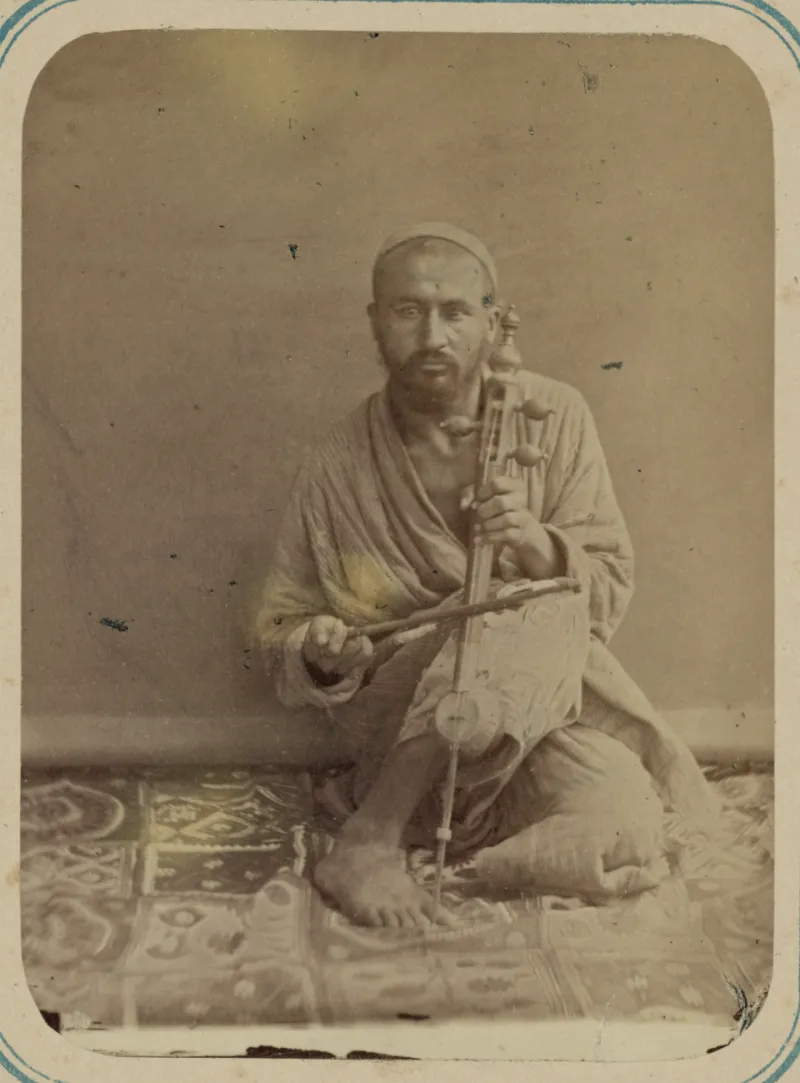
Photo: Kun, Aleksandr L., 1840-1888, Public domain, via Wikimedia Commons
There's a moment in Jai Paul's cult-favorite track BTSTU where a synth line curls upward in a way that feels unmistakably South Asian — a melodic ghost haunting an otherwise Western electronic production. It's subtle. It's deliberate. And it quietly changed what a generation of desi music lovers believed was possible inside American pop. That was over a decade ago. Today, that subtlety has grown into something far louder.
We're living through a genuine inflection point. South Asian artists, producers, and behind-the-scenes architects of sound are no longer content with being the best-kept secret in American music. They're shaping it — openly, proudly, and with a fluency in both desi musical tradition and contemporary genres that gives them an edge nobody else in the room has.
The Producer in the Room Nobody's Talking About
Here's something the music press doesn't cover enough: a significant number of the producers and songwriters quietly stacking credits on mainstream pop and hip-hop projects are South Asian. They're in the rooms where decisions get made, and they're bringing something with them that can't be replicated — a lifetime of absorbing two distinct musical worlds simultaneously.
Growing up desi in America means your ears are trained differently. You've heard Bollywood orchestration and trap hi-hats in the same afternoon. You've felt the emotional architecture of a classical raga and the gut-punch of a 808 bass drop before you could drive a car. That dual fluency isn't a quirk — it's a superpower, and producers who've figured out how to channel it are creating textures that feel fresh precisely because they're drawing from a well most American producers have never touched.
Artists like Raveena Aurora are doing this in full public view, layering South Asian tonality into R&B in ways that feel lush and completely original. Her work doesn't feel like a "fusion experiment" — it feels like the natural expression of someone who simply has more musical vocabulary than most. That's the distinction worth paying attention to.
Breaking the Gatekeeping Cycle
For years, the music industry's response to South Asian artists was a particular brand of polite dismissal. The feedback loop went something like: Your sound is interesting, but it's too niche. Can you make it more universal? Translation — can you make it sound less like you?
That era isn't fully over, but the walls are cracking in ways that matter. Streaming has fundamentally disrupted the gatekeeping infrastructure that once controlled who got heard. When an algorithm can surface a bedroom producer from New Jersey to a listener in Nashville without a label's blessing, the old power dynamics start to dissolve. South Asian artists have been among the biggest beneficiaries of this shift, building fanbases that cross racial and cultural lines by simply being excellent and being themselves.
The success of artists like Priya Ragu — whose soulful blend of Tamil folk and contemporary R&B earned her international acclaim — proves that authenticity isn't a liability in the streaming era. It's the whole pitch. Audiences are exhausted by the processed sameness of algorithm-chasing pop. When something genuinely different lands in their ears, they notice.
Desi Influences on Hip-Hop: Deeper Than You Think
Hip-hop's relationship with South Asian sound is older and more layered than most casual listeners realize. Producers have been sampling Bollywood and classical Indian recordings for decades, but the current moment is different — the people doing the sampling and the producing are often South Asian themselves, which changes the conversation around context and ownership entirely.
There's a meaningful difference between a South Asian producer intentionally incorporating a melodic motif from their own cultural heritage and the same element being lifted without context by someone outside the community. The former is creative inheritance. The latter is a conversation the industry still needs to finish having.
What's exciting right now is watching second-generation desi artists bring an almost scholarly awareness of both sides to their work. They know the history of appropriation. They know the Bollywood catalog their parents played in the car. They know trap, drill, and alternative R&B from the inside out. The music they're making sits at the intersection of all of it, and it sounds like nothing else.
Authenticity as Strategy — Not Just Philosophy
One of the most important shifts happening in this space is the rejection of the idea that leaning into South Asian identity is somehow a commercial risk. For a long time, the conventional wisdom — even within desi communities — was that you'd have to file down your cultural edges to make it in mainstream American music. Succeed first, be yourself later.
The artists driving this current wave have largely flipped that script. They've watched what happened when Beyoncé leaned fully into Black Southern identity on Lemonade, or when Bad Bunny refused to sing in English and became one of the biggest acts on the planet. The lesson is clear: specificity scales. The more genuinely you something is, the more universally it can connect — because people recognize real when they hear it.
For South Asian artists, that means not softening the sitar reference, not hiding the classical training, not anglicizing the name. It means trusting that the thing that makes your sound distinct is also the thing that makes it matter.
What Comes Next
The infrastructure is building. South Asian-led music collectives, independent labels, and creative communities are emerging across cities like New York, LA, Houston, and Toronto — spaces where desi artists can develop their sound without constantly having to explain themselves to gatekeepers who don't share their reference points.
The mainstream is moving toward them, not the other way around. And honestly? It's about time.
The remix generation isn't blending in. They're turning the volume up on everything that makes them who they are — and American music is going to sound different because of it. Keep your ears open.